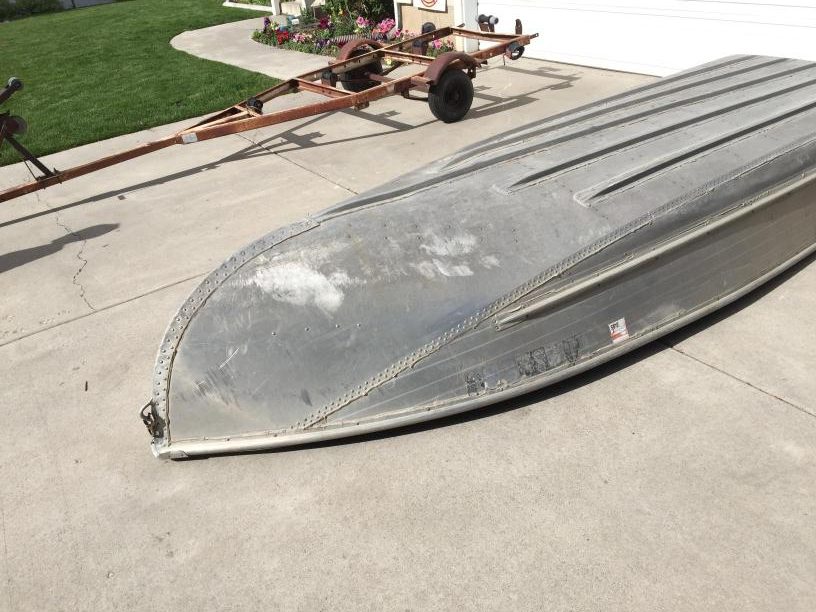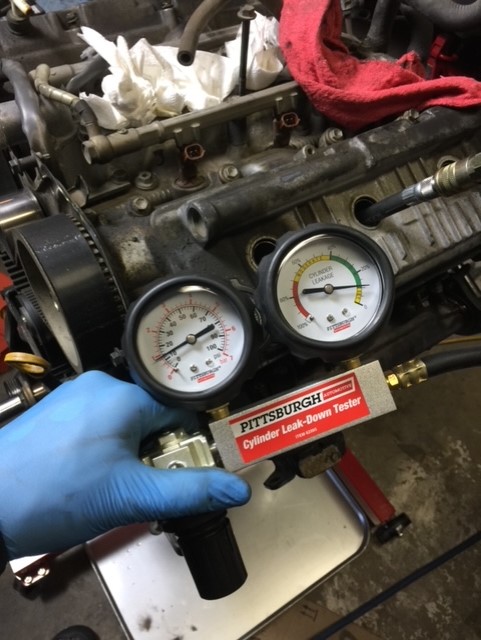
Over a decade ago, I took a plunge into the world of motorcycles and bought my first one for $500. That was my introduction to the exhilarating experience of riding, powered by a nifty 2-stroke engine. Little did I know, this purchase was the start of my deep dive into the mechanical world. A year into owning the bike, I mixed the oil and gas a bit too lean, and before long, the engine wouldn’t start.
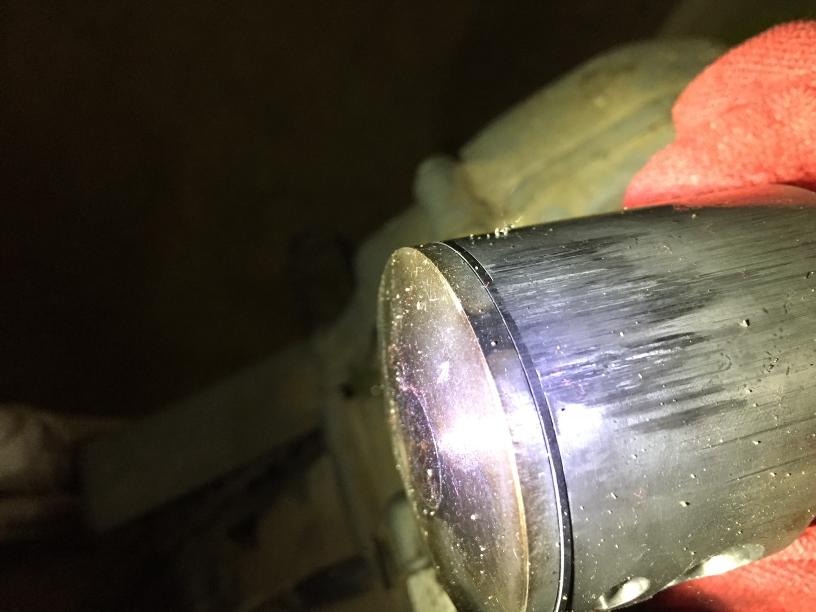
After scouring online forums and comparing notes with others who had faced similar issues, I concluded that the piston was likely the culprit. The bike was old, and I hadn’t invested much in it, so I thought: why not make a project out of replacing the piston? At that time, the whole idea was pretty daunting. The engine, with all its parts and components, seemed like a complex puzzle. But I was curious and eager to learn, and thankfully, we live in an era where you can find a how-to video or tutorial for almost anything online.
So, I decided to order the necessary parts and dive in. After removing the cylinder head, it was pretty clear that the piston was indeed the problem. Despite my initial apprehension, I was excited to embark on this new learning adventure, step by step, part by part.
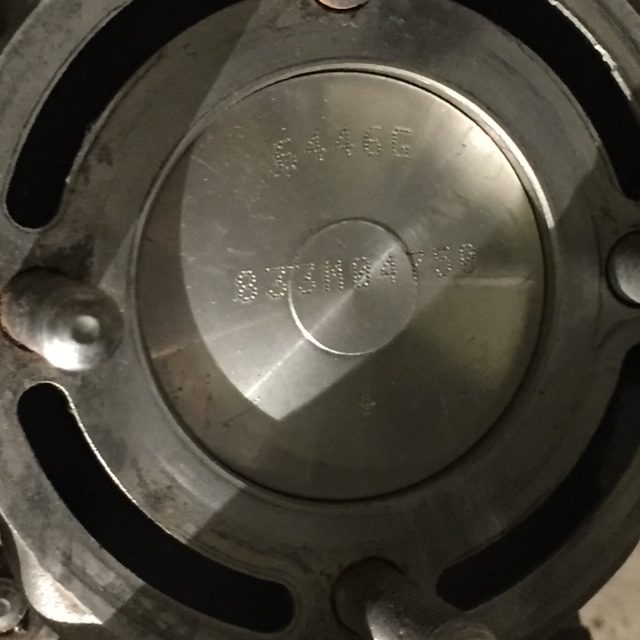
The side of the piston was burned and scarred really bad. Fortunately the cylinder walls were not scarred and I was able to get by with just a piston replacement. Little did I know, the process of methodically taking all the parts off, keeping track of them, and putting everything back together in the right order laid the ground work for even bigger, more complex projects down the road.
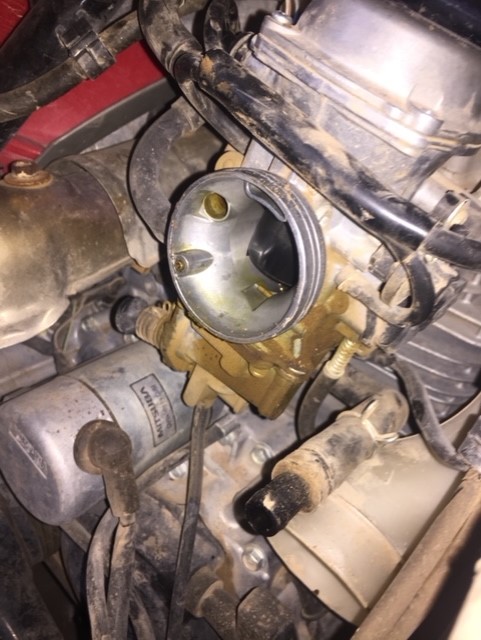
In just a few hours, I managed to reassemble the motor, put the carburetor back in place, and had it purring like a proper 2-stroke engine. To the trained mechanic, this might not seem like a huge feat, but for an amateur like me, who had never tackled anything mechanically complex before, it was a big deal. The thrill I felt when I firmly pressed down on the kick-starter and heard the engine roar to life is still fresh in my memory. There was a part of me that doubted it would even start after I was done with it. But hearing that engine come alive under my hands was an exhilarating validation of my efforts and a moment of true accomplishment. It was a turning point for me, proving that with a bit of determination and learning, I could indeed tackle the mechanical mysteries that once seemed so daunting.
That was the start of a lot of good time spent in the garage learning how to work on mechanical things.
Bent Lawn Mower Shaft
The following year, I lent my trusty lawn mower to a friend who was struggling with hers. By then, I’d cleaned numerous carburetors and revived quite a few pieces of used equipment for friends and neighbors. But at that time, my knowledge of engines was still limited, so I figured lending my mower was the easiest solution. Unfortunately, while using it, she accidentally ran over a hidden tree stump in her overgrown grass, bending the mower’s shaft. For any equipment with a propeller, a bent shaft spells trouble. The mower started rattling badly and couldn’t reach the speed needed for effective grass cutting.
This mishap reminded me of the time I successfully replaced the piston in my motorcycle. Inspired, I decided to look into the cost of replacing the mower’s shaft. A new shaft was priced at $150, quite steep considering the mower itself cost over $400. I debated whether it was worth it, given that the replacement part was a significant fraction of the price of a new mower. Plus, there was the risk of dismantling the motor and not being able to reassemble it correctly. But curiosity won over caution, and I decided to take on the challenge. Despite the risks, I was eager to see if I could breathe new life into my old lawn mower.
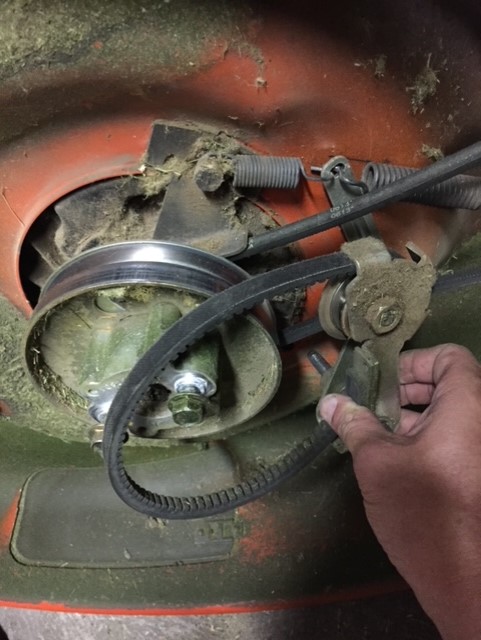
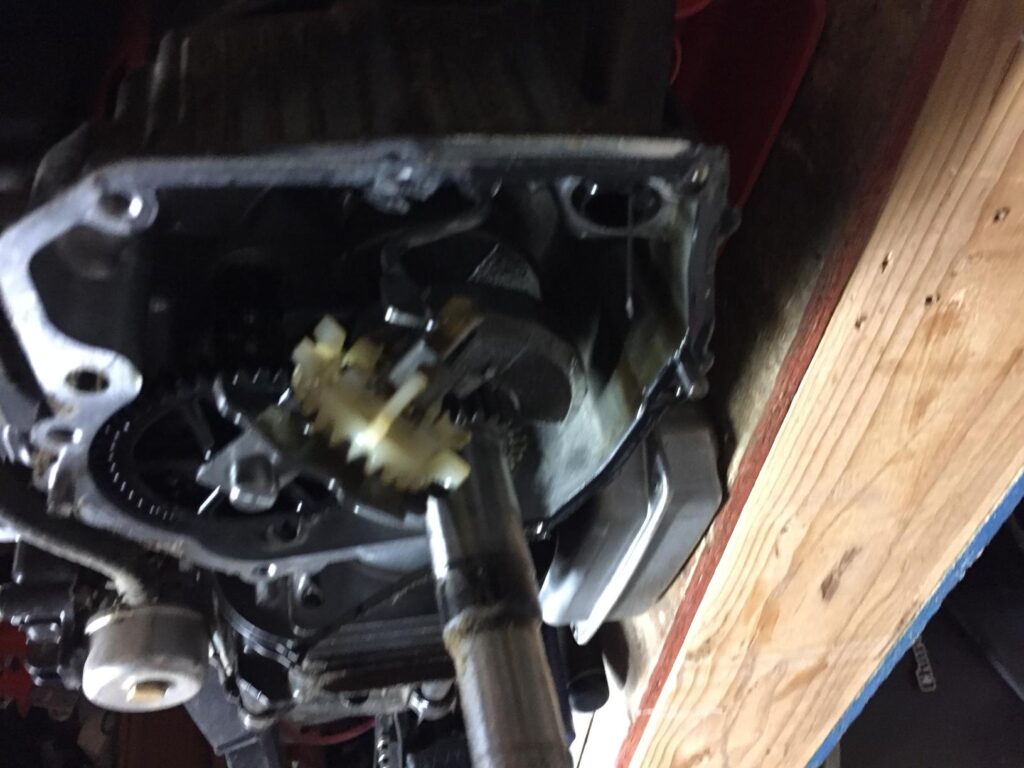
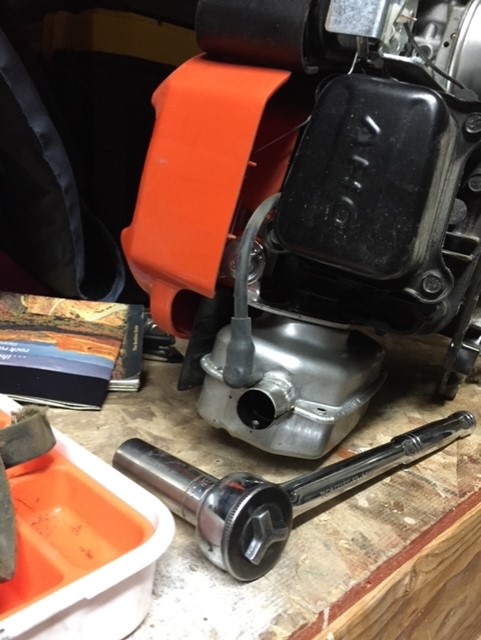
Similar to the motorcycle project, there were many bolts, gaskets, and components I had to keep track of. During the tear down, I took a lot of pictures for reference. I knew I would need a reference point when re-assembling everything. There were certainly some technical complexities with placement of gears, sprints, and alignment of various moving parts. However, in spite of those complexities, it wasn’t much harder than the motor cycle tear down I did a year earlier.
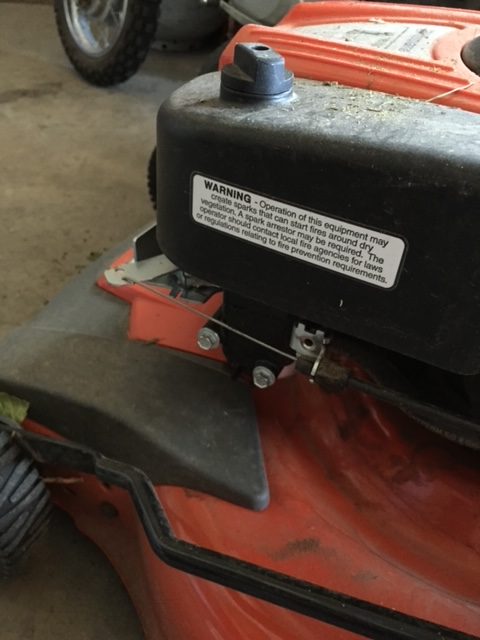
After a few evenings and most of a Saturday dedicated to the task, I finally had everything put back together on the mower. The moment of truth came, and to my relief, it started up on the first try! I had my doubts, especially about whether I got all the gears aligned correctly during reassembly. But it seems I did something right, because not only did it start without a hitch, we’ve been using it for six years since then with no issues. This successful endeavor was a big win in my book, proving that with time, effort, and a bit of uncertainty, great results are possible.
Part 3: Bigger Projects – Automotive
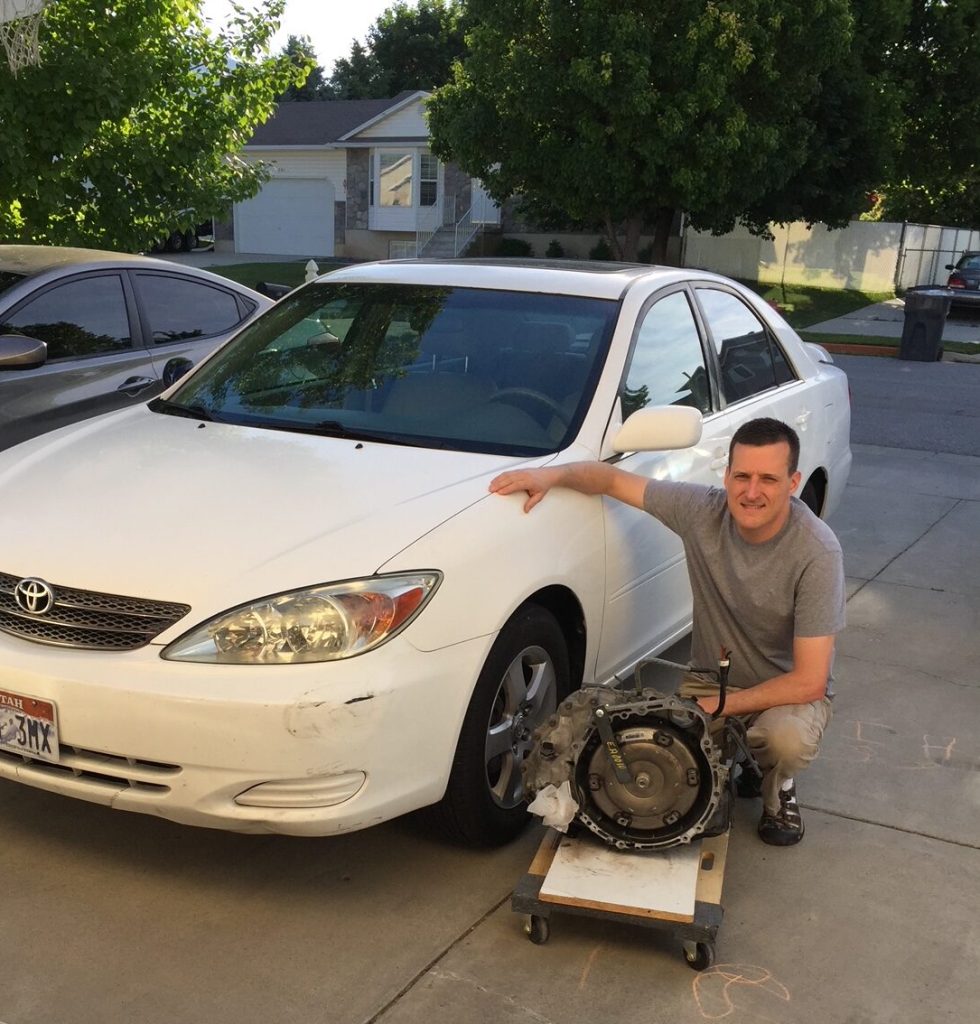
A few years after that lawn mower project, I dove into another mechanical challenge. I got myself a 2002 Toyota Camry that needed a new transmission. This was my first real big project – taking apart the front axle, supporting the engine, and wrestling with the transmission. Let me tell you, it took me about 10 times longer than it would for an ASE certified mechanic. But you know what? That didn’t bother me one bit. I learned a ton from the experience!
This project was a huge learning curve. Getting into the nitty-gritty of removing the transmission, figuring out how to support the engine correctly, and dealing with the front axle – it was all new to me. Sure, it took way longer than a pro would have needed, but every hour I spent under that Camry was an hour spent learning. And that’s invaluable.
The satisfaction of tackling such a substantial mechanical task was worth every extra hour I put in. It’s one of those experiences that you just can’t get without diving in and getting your hands dirty.
Jumping into the next project, the summer of 2020 brought me an awesome experience: replacing the engine in my 2003 Toyota Tacoma. Reflecting on this, I realize how each project I’ve tackled had its own set of unique challenges. It’s like each one was a step up, building my confidence and skills.
The Tacoma engine replacement was no walk in the park, but having worked on the Camry before, I felt more prepared. It’s interesting how each project, with its own hurdles and learning moments, contributes to a bigger picture of growth and confidence. This Tacoma job was a testament to that journey.
Looking back, I see a clear progression in my mechanical skills and problem-solving abilities. Each project, with its peculiarities, taught me something new, boosting my confidence to take on even bigger challenges. The engine replacement in the Tacoma was a significant milestone in that journey, highlighting how far I’d come since my early projects.
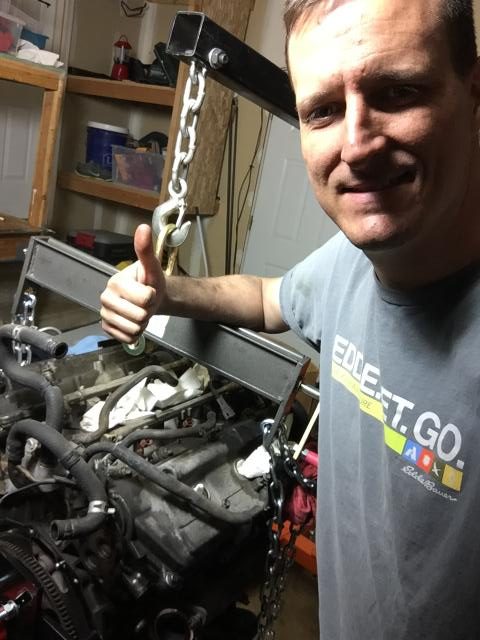
My 2003 Toyota Tacoma’s engine replacement took an adventurous turn when I decided to pick up the perfect JDW motor I found online. What made this trip even more special was that my daughter joined me for the drive to California. It wasn’t just about fetching a part; it turned into a memorable road trip with her. This journey added a personal touch to the project, blending the thrill of the hunt for the right component with quality time spent with my daughter. It was more than just a step in fixing the truck – it became a cherished memory in our mechanical adventure.
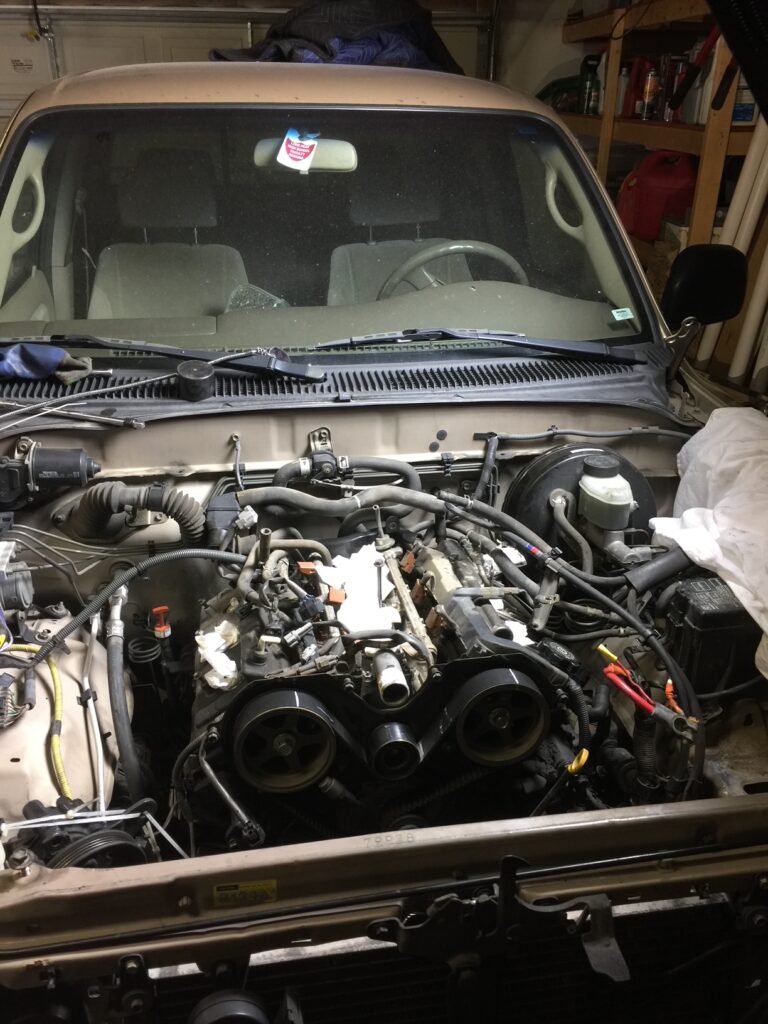
The project had a couple of big moments that really tested me. The first challenge was putting the engine back together. There were just so many parts to keep track of. To make sure I could put it all back together correctly, I used two main strategies.
First, I filmed the whole process of taking the engine out. This was a lifesaver because it showed me exactly how everything came apart, ensuring I didn’t miss anything when putting it back together. The second strategy was my organization hack: putting every bolt, nut, and screw into labeled zip-lock bags. This turned out to be super useful.
The second big hurdle came after I got the engine back in and attached the transmission. I was hooking up the exhaust system and then realized – I hadn’t put the exhaust manifold on the engine! This was a huge issue because it’s meant to be installed before the transmission.
I felt pretty deflated – it had taken me 6 hours to get the transmission in place.
But, I didn’t throw in the towel. Some online research led me to someone who’d had the same problem and managed to fit the manifold in by loosening the transmission mounts and lifting the engine slightly. It took some extra work, but I got it done. It was a real relief to solve that without having to undo all my previous work. I really appreciated the fact someone else posted the solution to the same problem online.
As I finished putting everything back together on my Tacoma, I couldn’t shake off a nagging sense of doubt. Did I correctly reposition the oil filter port? Were all the engine fuses connected properly? What about the flywheel bolts – were they tightened just right? These thoughts swirled in my mind as I reached for the key, a mix of anticipation and anxiety in the air.
To my amazement and relief, the Tacoma started up perfectly on the first try! That moment was a huge win for me. Over time, I clocked in 15,000 miles on that motor without a single issue. This achievement wasn’t just about the miles; it was a testament to the progress I’d made in my mechanical journey. It proved that with patience, perseverance, and a willingness to learn, I could successfully take on challenging tasks and see them through to a successful end.
Lifelong Journey – Lean into Hard Things
People often seem amazed when I tell them about replacing the engine in my Tacoma all by myself. Sure, the internet is a treasure trove of information, but it’s not just the availability of information that determines whether someone tackles a project. From my experience, it’s often a lack of self-confidence that holds people back. The irony is that self-confidence is built by engaging in the very tasks we feel uncertain about. It’s about learning to lean into the challenges.
We’ve all heard the saying ‘don’t bite off more than you can chew,’ but when it comes to learning new things, you have to start somewhere. My five years as a high school educator taught me a lot about this. I saw firsthand the difference between students who understood the value of leaning into difficult tasks and those who didn’t. Those who entertained the “I can’t” mentality often gave up, while those who tacked problems with curiosity found the answer they were looking for. This principle doesn’t just apply to high school students; it’s true for all of us. Whether it’s fixing a car engine or any other challenge, the key is to start, take small steps, and build that confidence through experience.